The Story
History of the Artifact
These Sikh silver rupees date back to the early 19th century and serve as a powerful reminder of the influence and wealth of the Sikh Empire under Maharaja Ranjit Singh and his successors. These coins were primarily struck in the mints of Amritsar, Lahore, and Multan, among others, and were known for their distinctive Persian inscriptions, reflecting the cultural and administrative continuity of the region. Unlike the earlier Mughal rupees, which often featured the names of emperors, Sikh rupees typically bore inscriptions in the name of Guru Nanak and Guru Gobind Singh, symbolizing the theocratic nature of the empire and the reverence for Sikh religious figures.
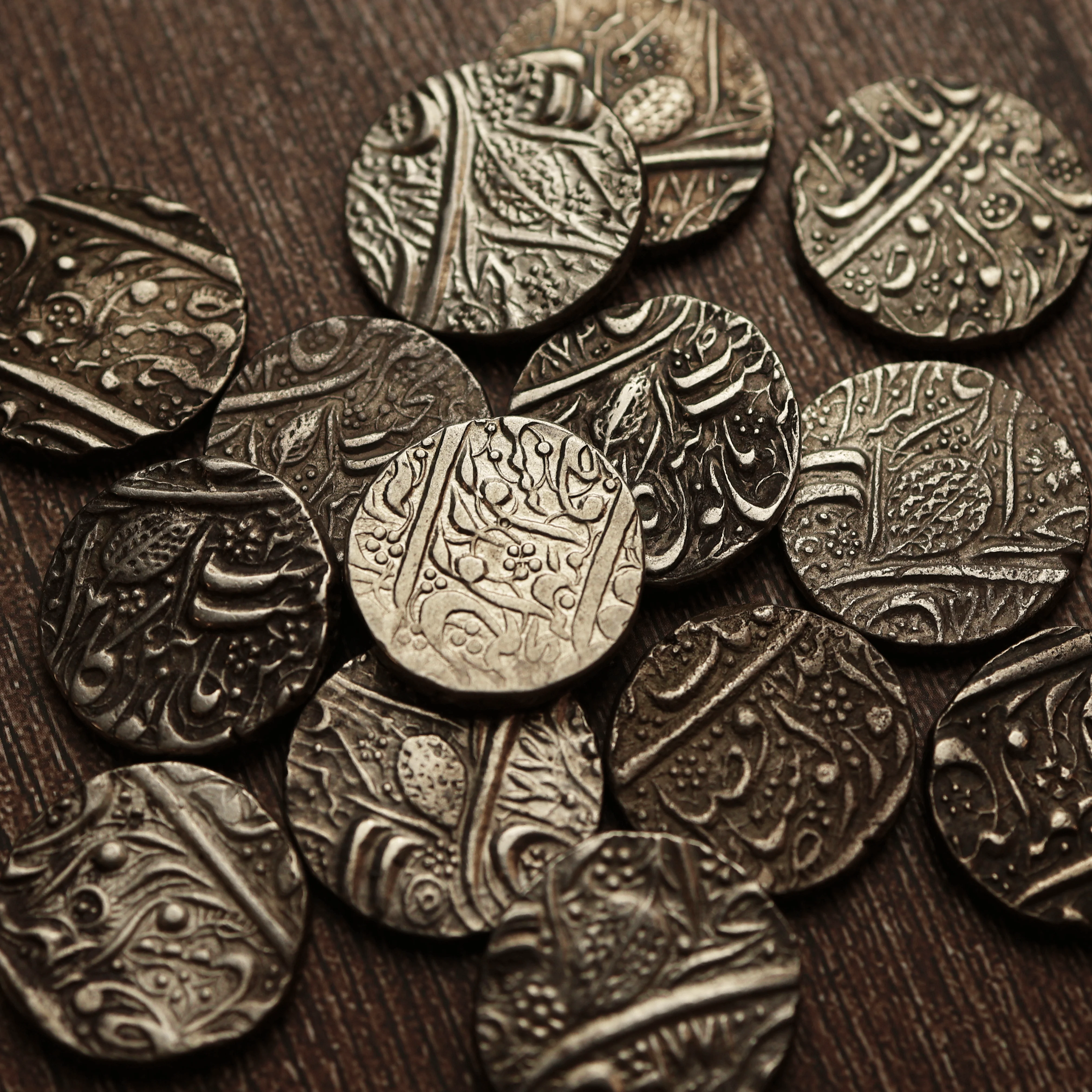
The standard weight of these rupees was around 11.2 grams of silver, closely following the weight and fineness of Mughal and earlier Indian rupees. The designs varied slightly depending on the mint, but most feature floral and calligraphic elements rather than the portraits that were common in European coinage of the time. The script was Persian, with phrases invoking divine blessings and references to Sikh Gurus, rather than any direct mention of Ranjit Singh (The Maharajah) himself. This was in keeping with the Sikh tradition of humility and the avoidance of personal glorification in governance.
The Sikh Empire's monetary system was robust, and its rupees were widely accepted across northern India, even in areas beyond direct Sikh control. The Amritsar mint, in particular, was famous for its high-quality silver coinage, and some of its issues continued to circulate well after the fall of the empire. Following the British annexation of the Punjab in 1849, the British East India Company gradually replaced Sikh coinage with its own issues, though older rupees continued to be used in trade for some time.
How do I know these are original Sikh Empire Coins?
Ancient Artifacts guarantees the Authenticity of items sold through a three layer system of protection:
- Ancient Artifacts exclusively sources artifacts from trusted and reputable antique distributors, many of whom have been selling Artifacts for decades.
- Next, the Artifact is inspected by an expert team member, who is professionally trained in counterfeit detection After the artifact passes inspection, the Certificate of Authenticity is signed and the Artifact is packaged.
- Finally, Ancient Artifacts gives an additional layer of protection by promising a full refund with no questions asked, in the extremely unlikely event that a counterfeit slips through our vetting process.
What will my artifact look like?
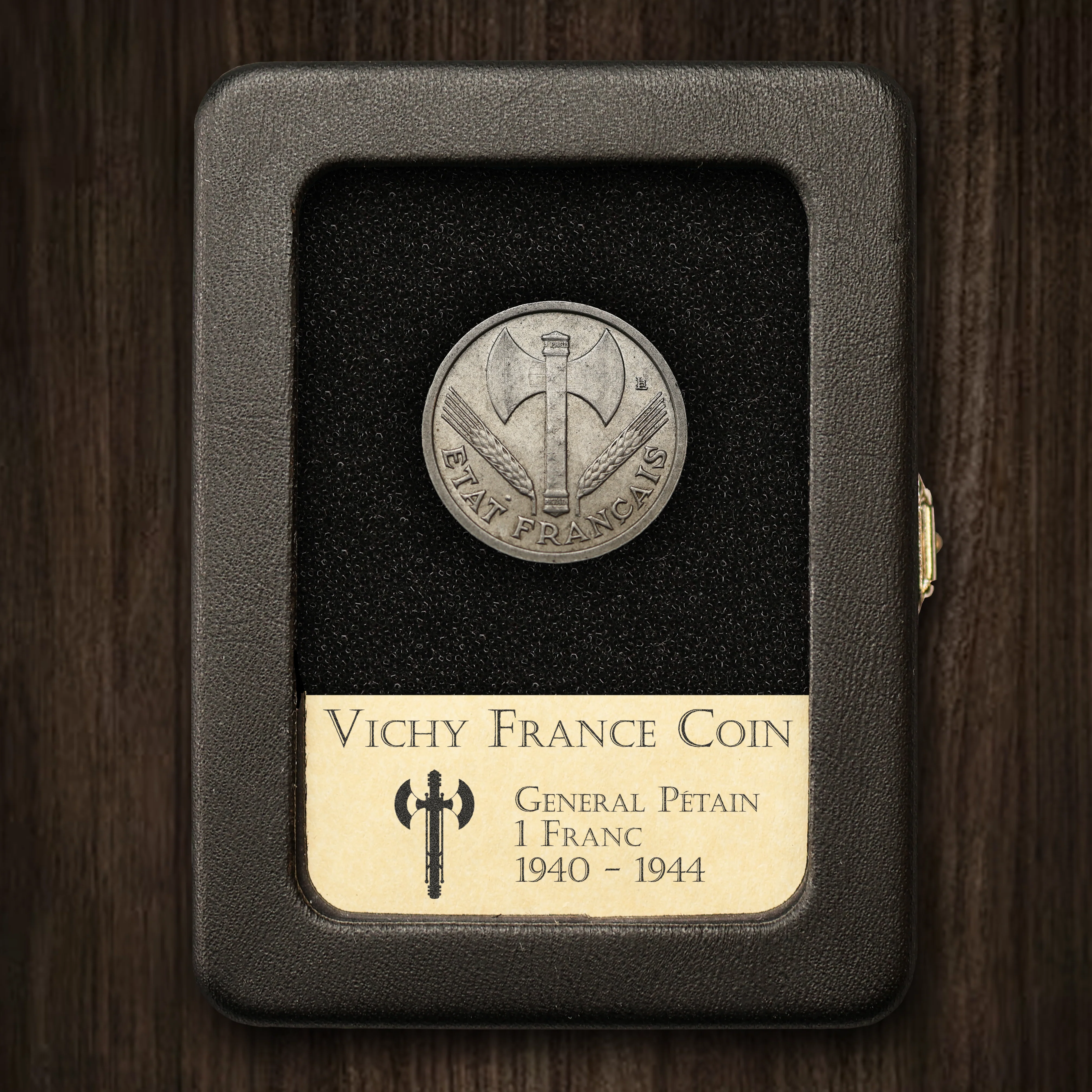
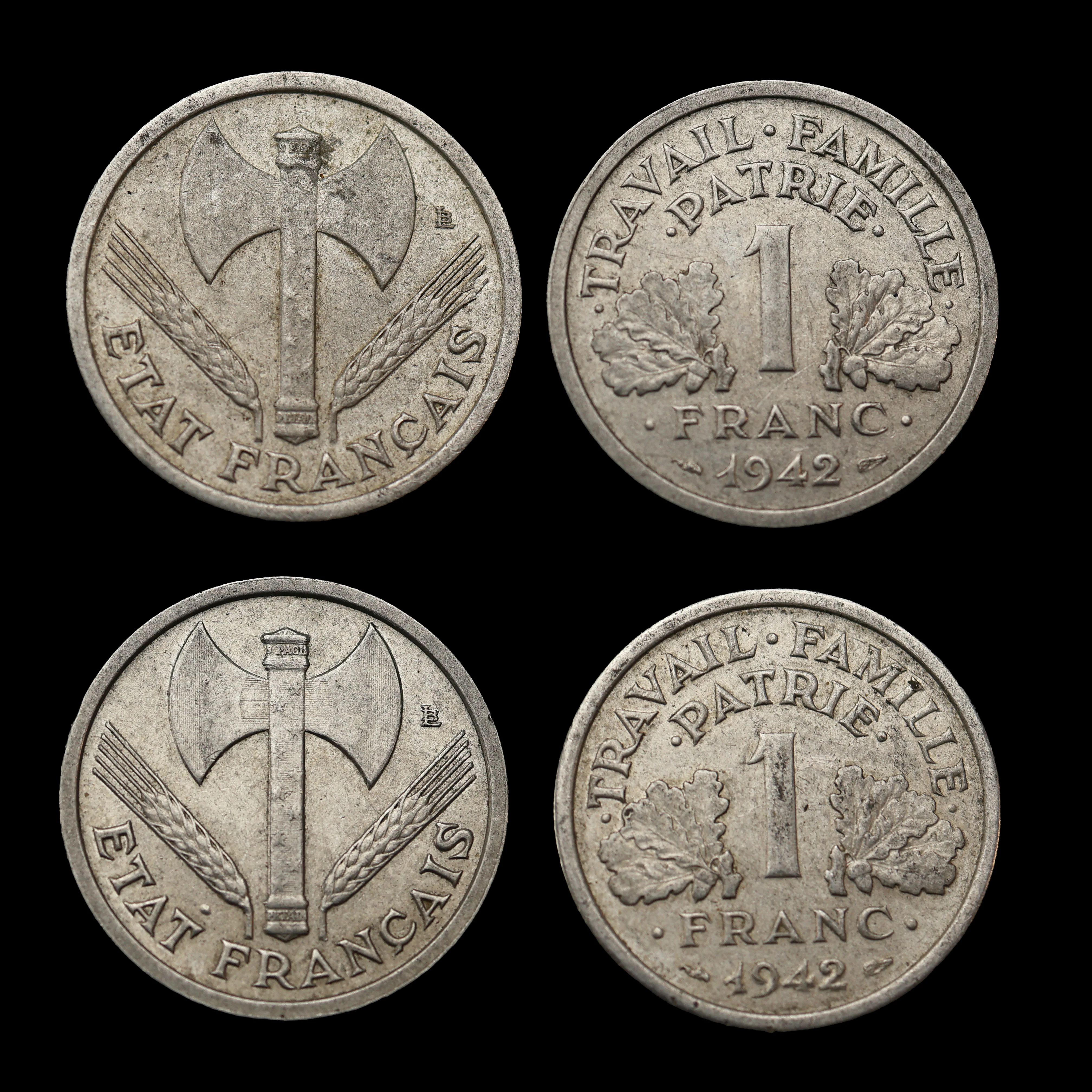
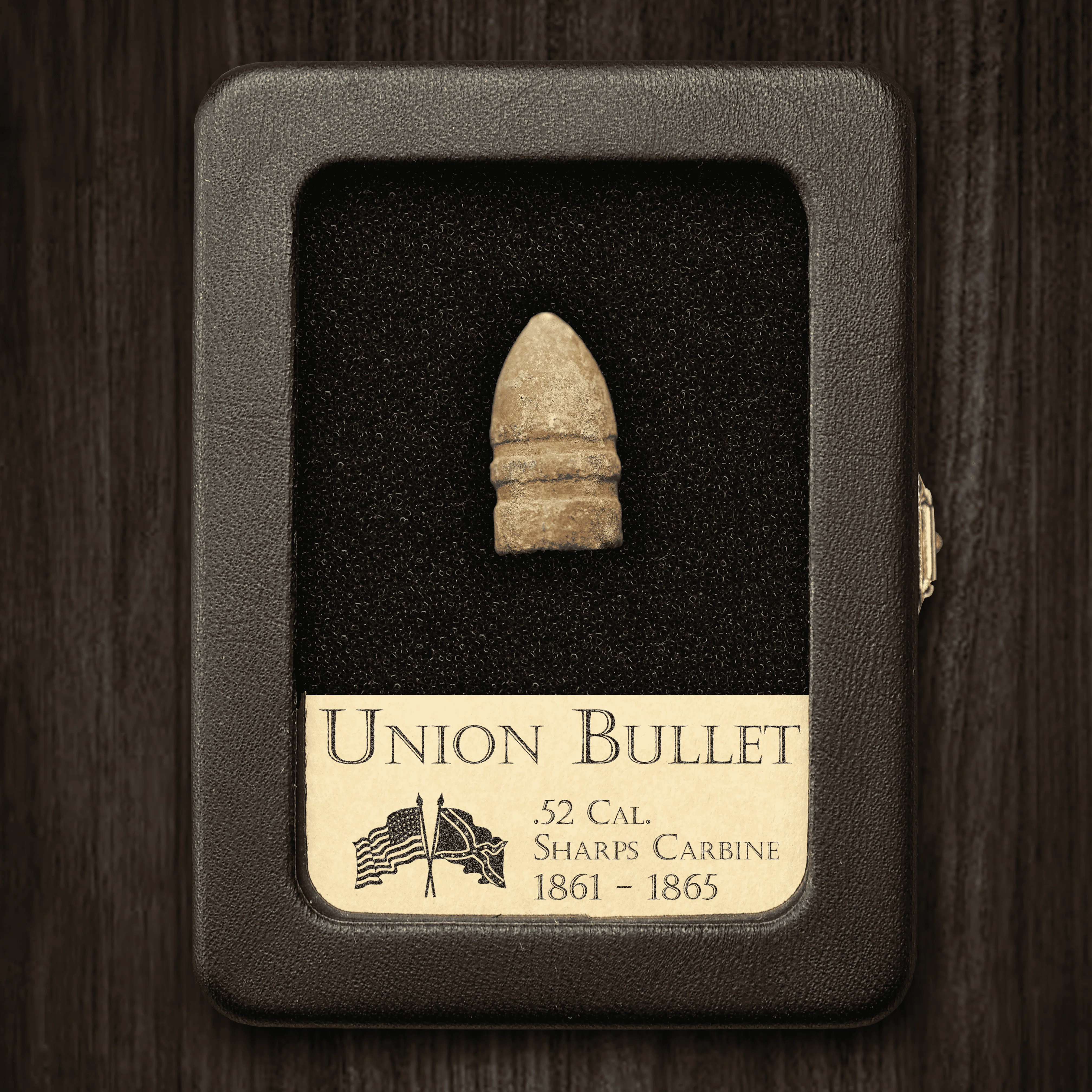
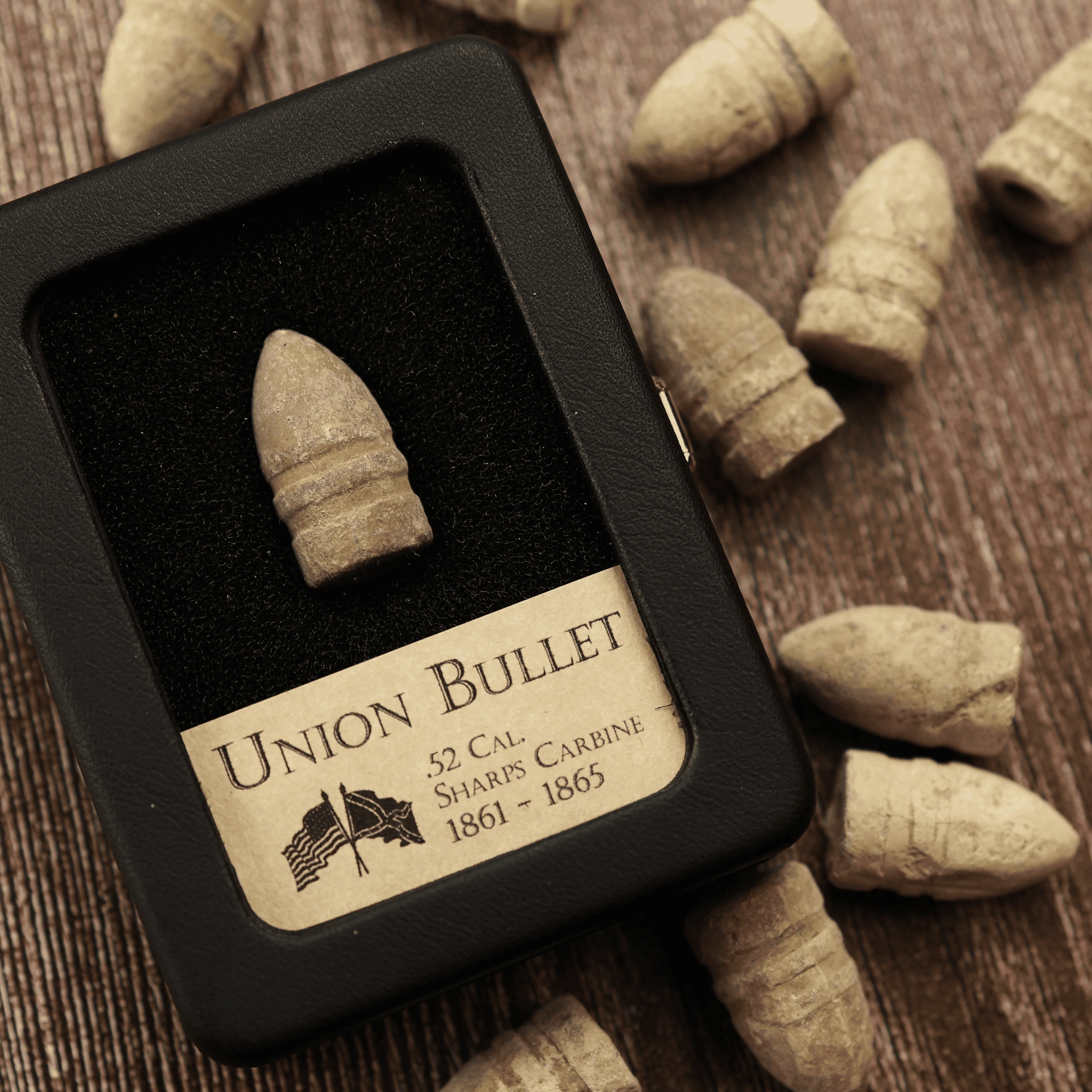
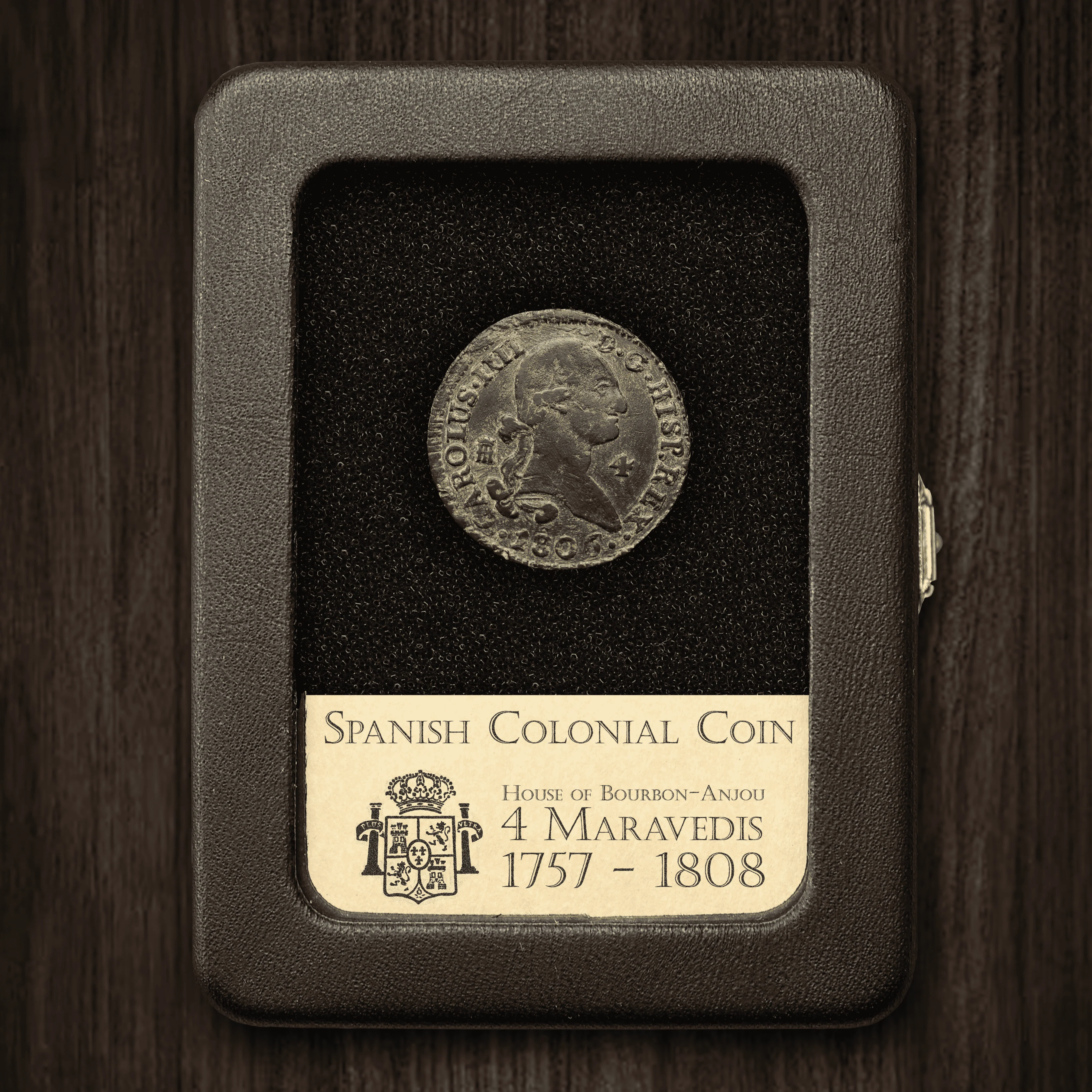
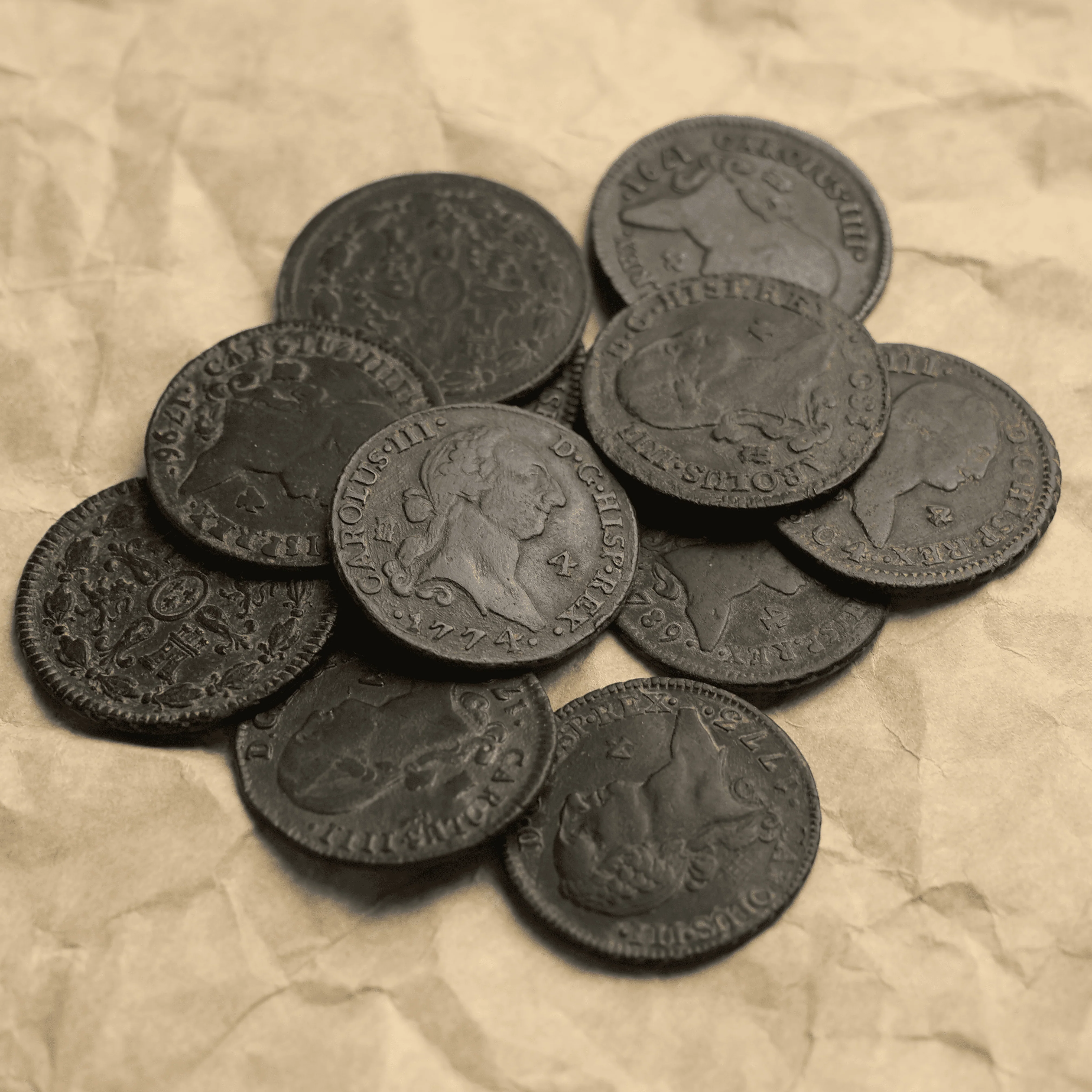
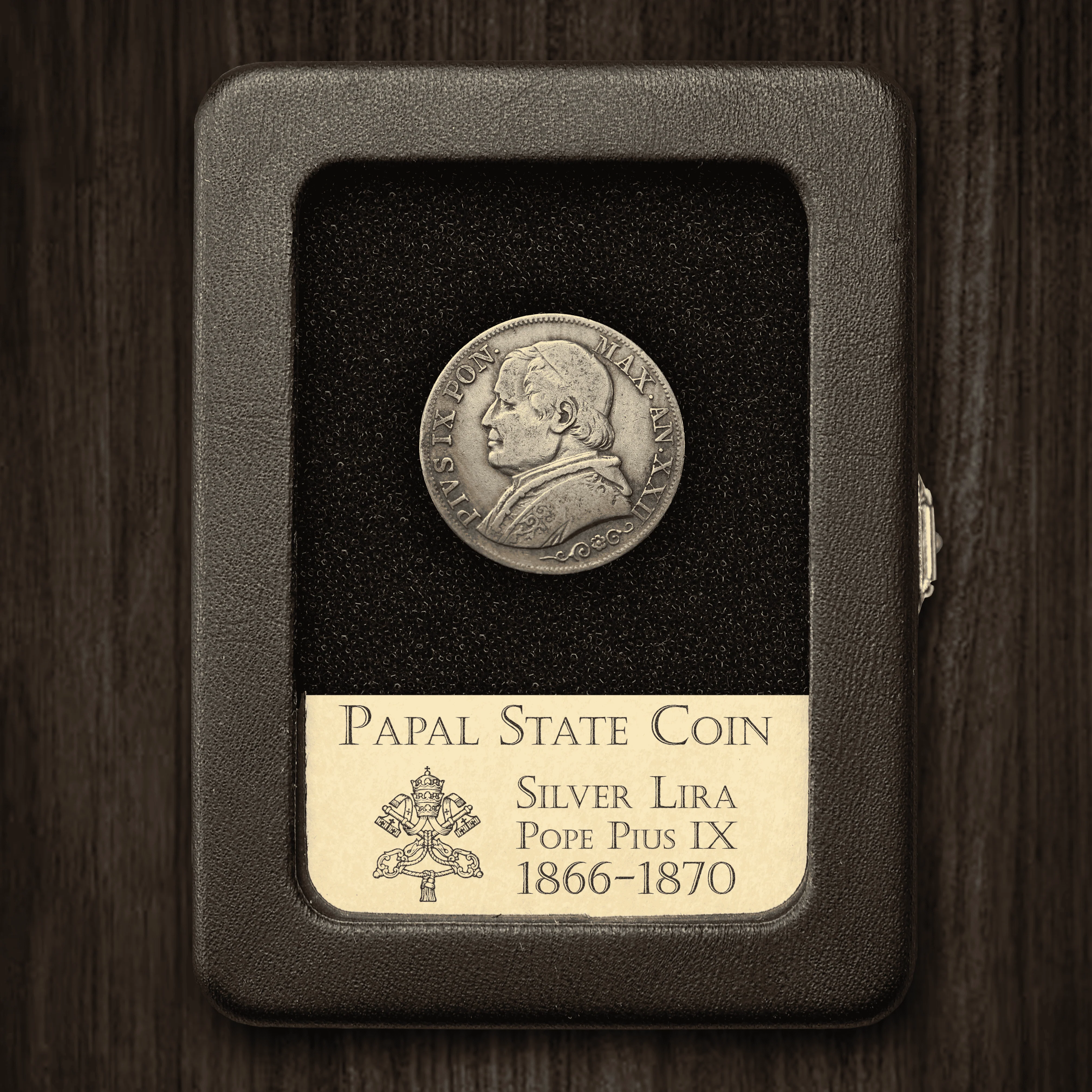
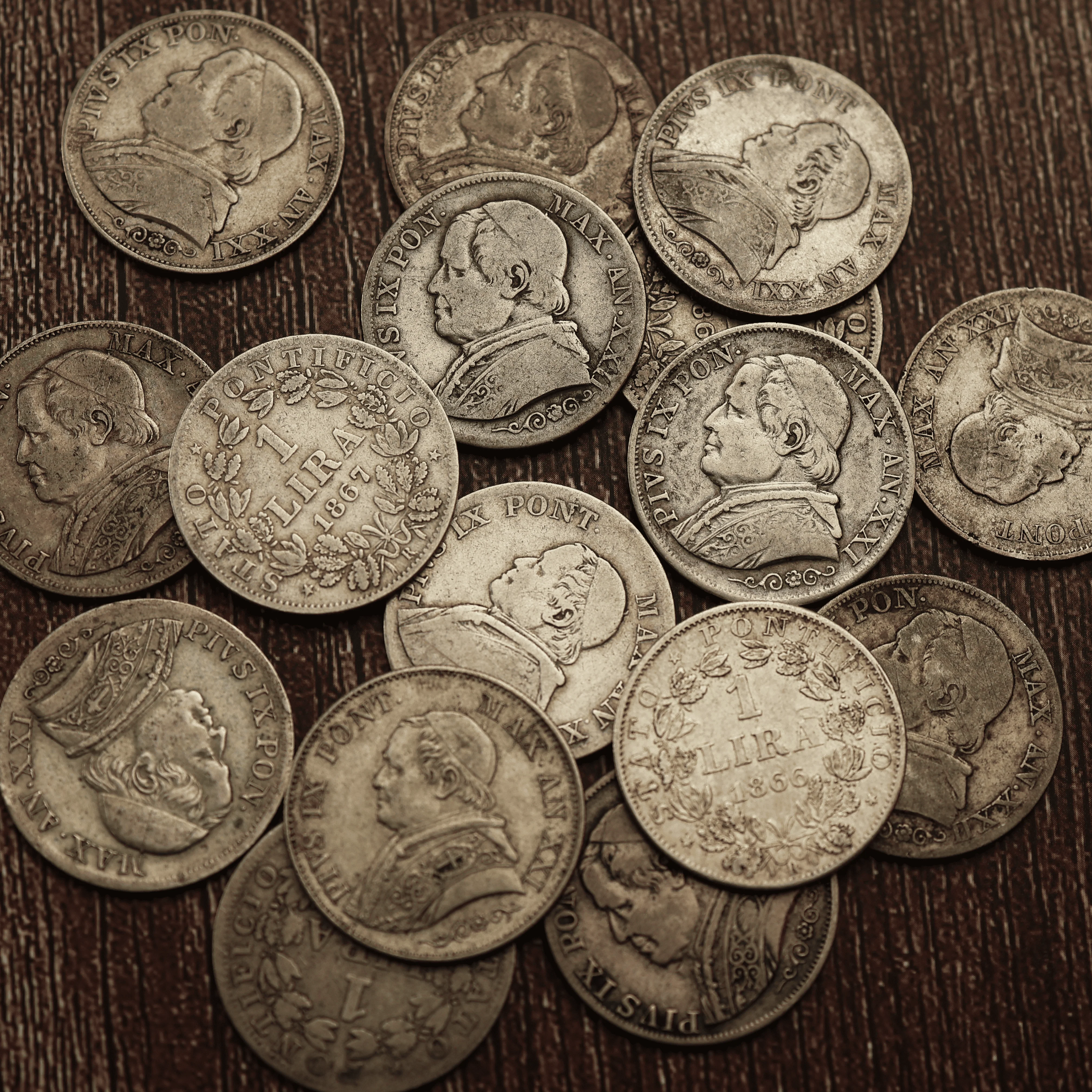
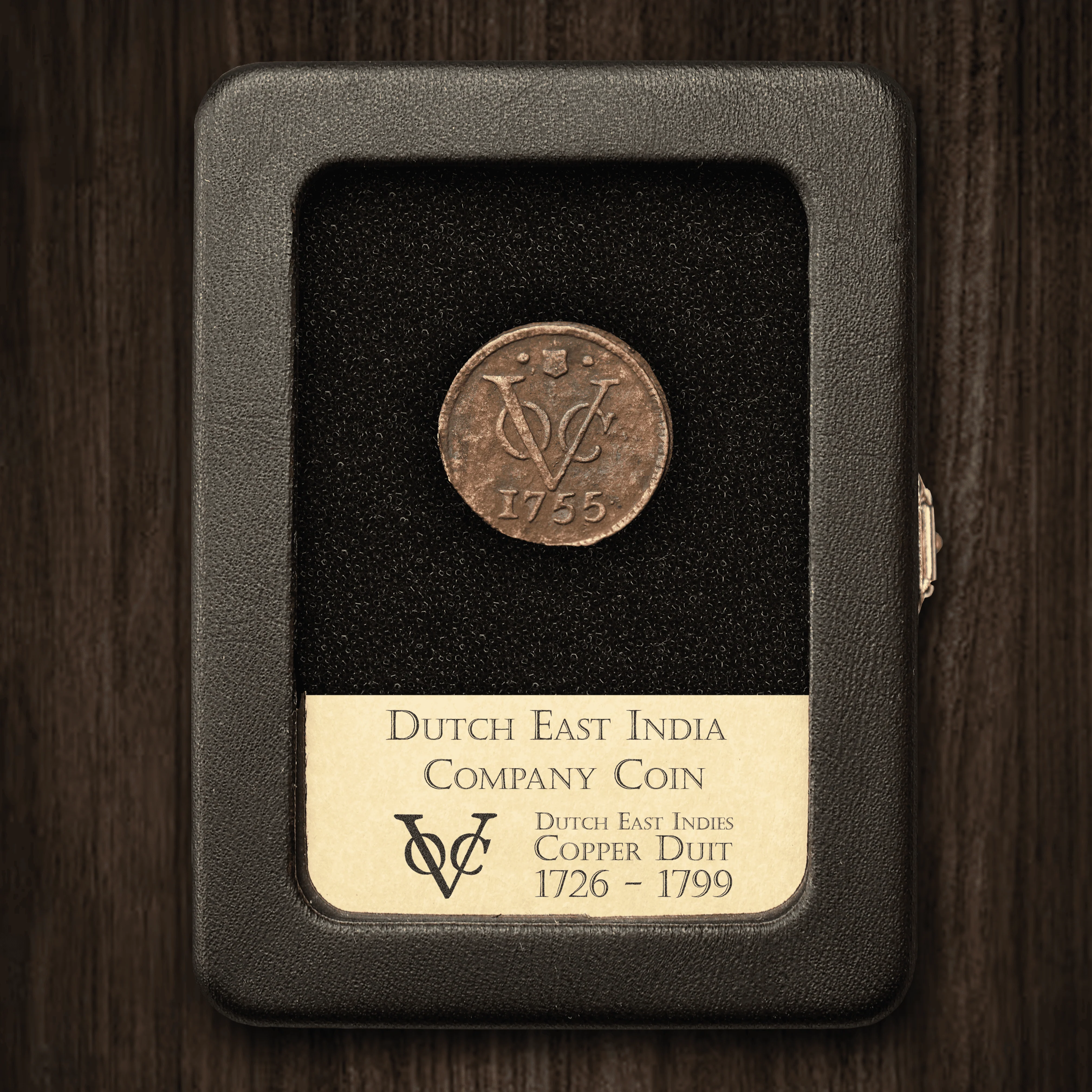
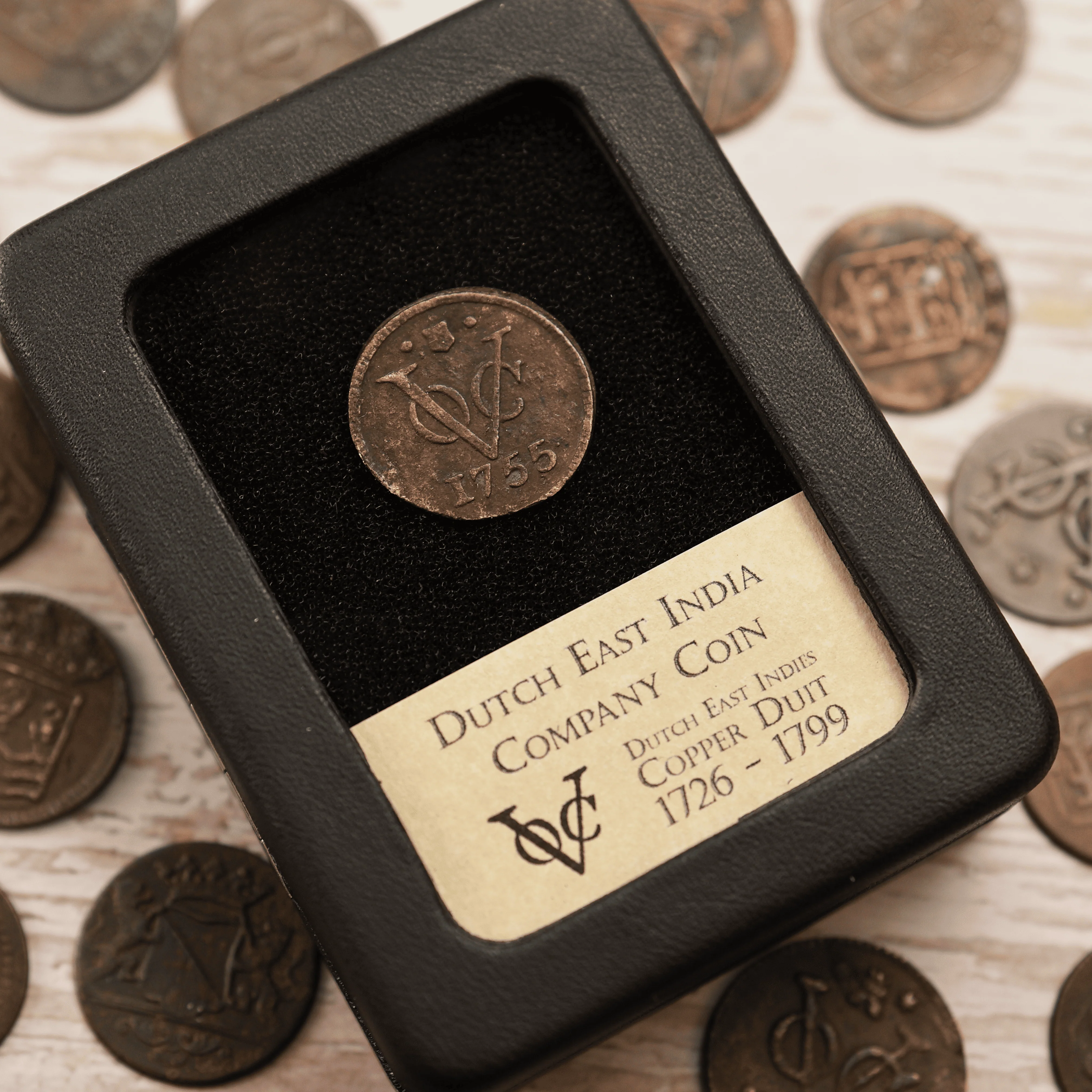
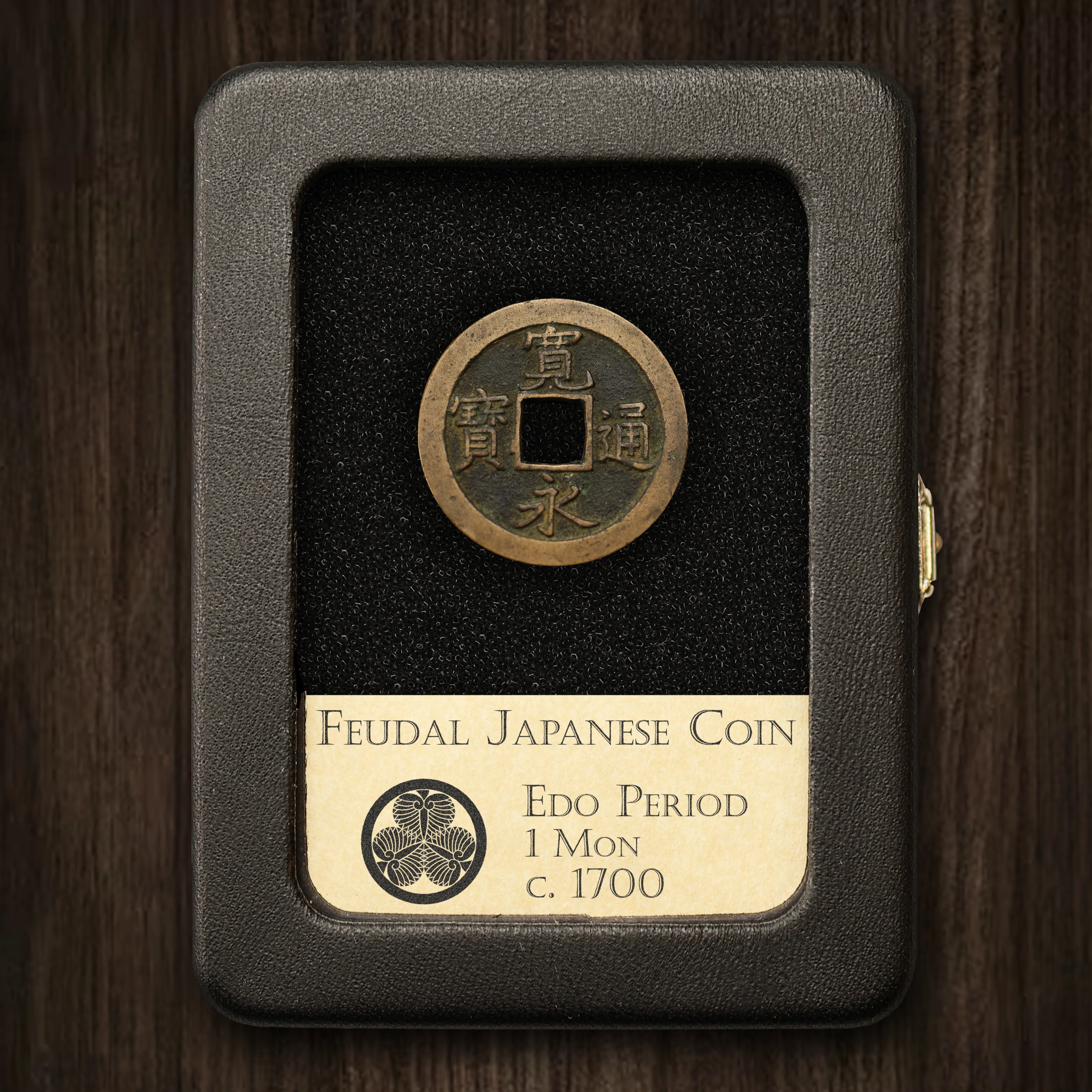
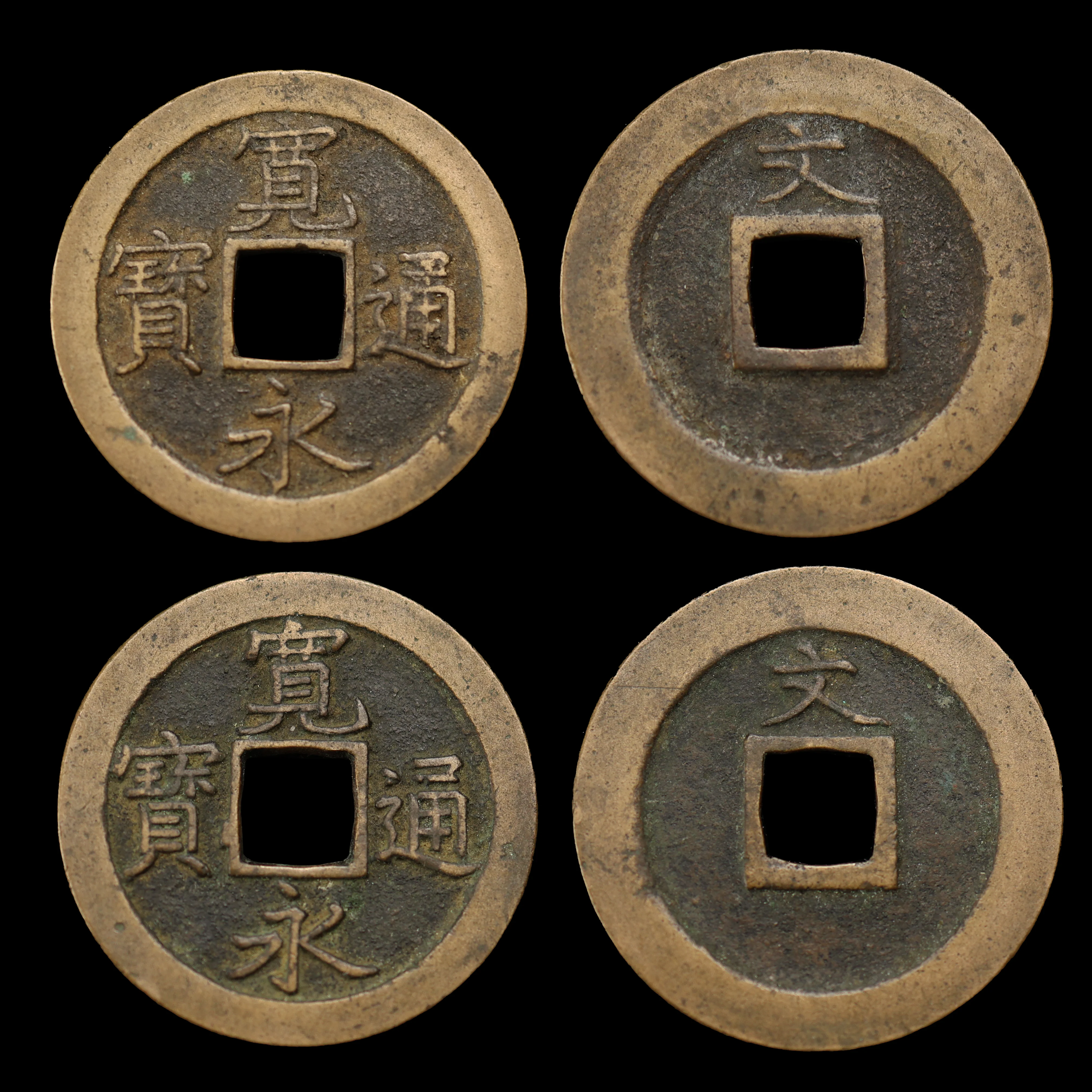
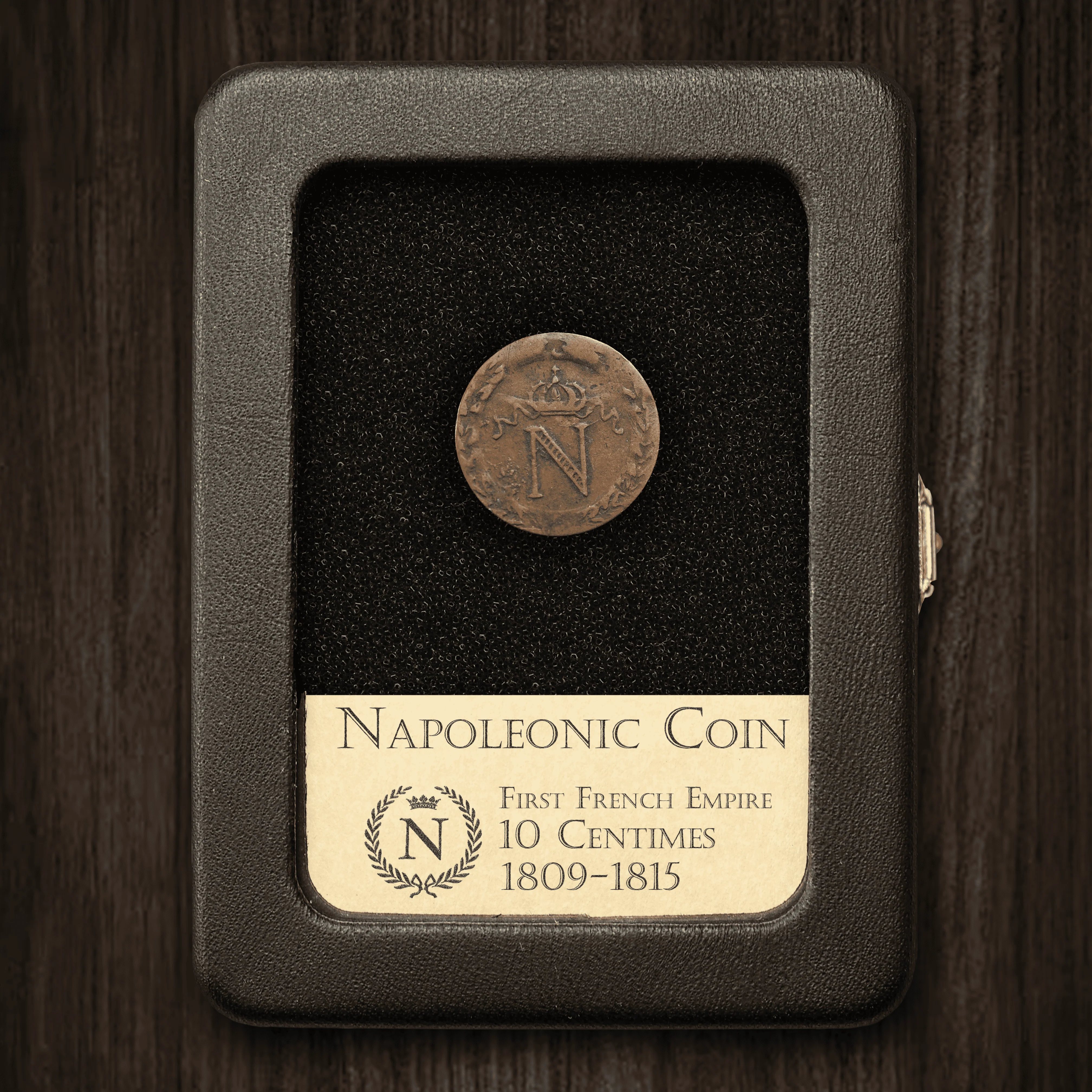
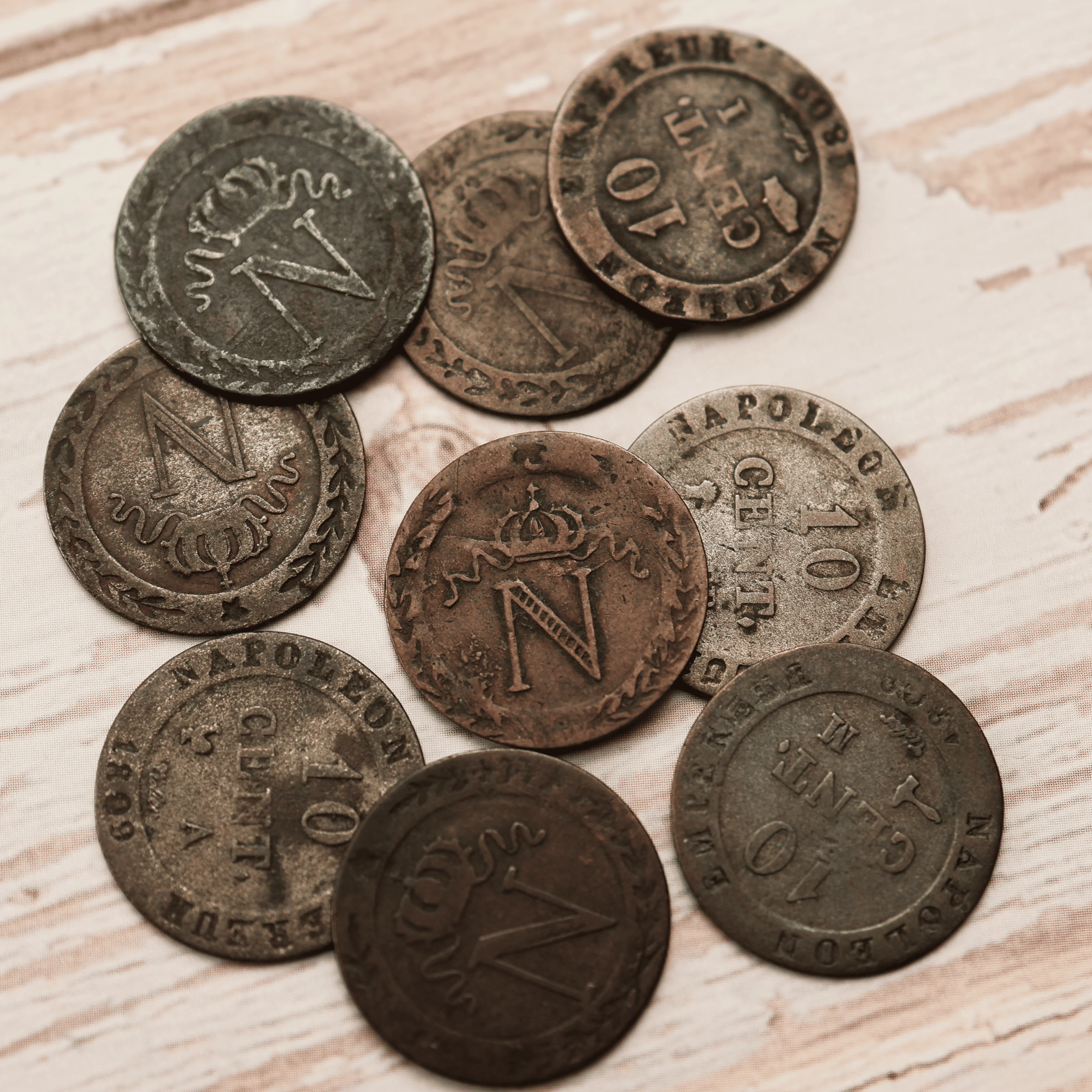
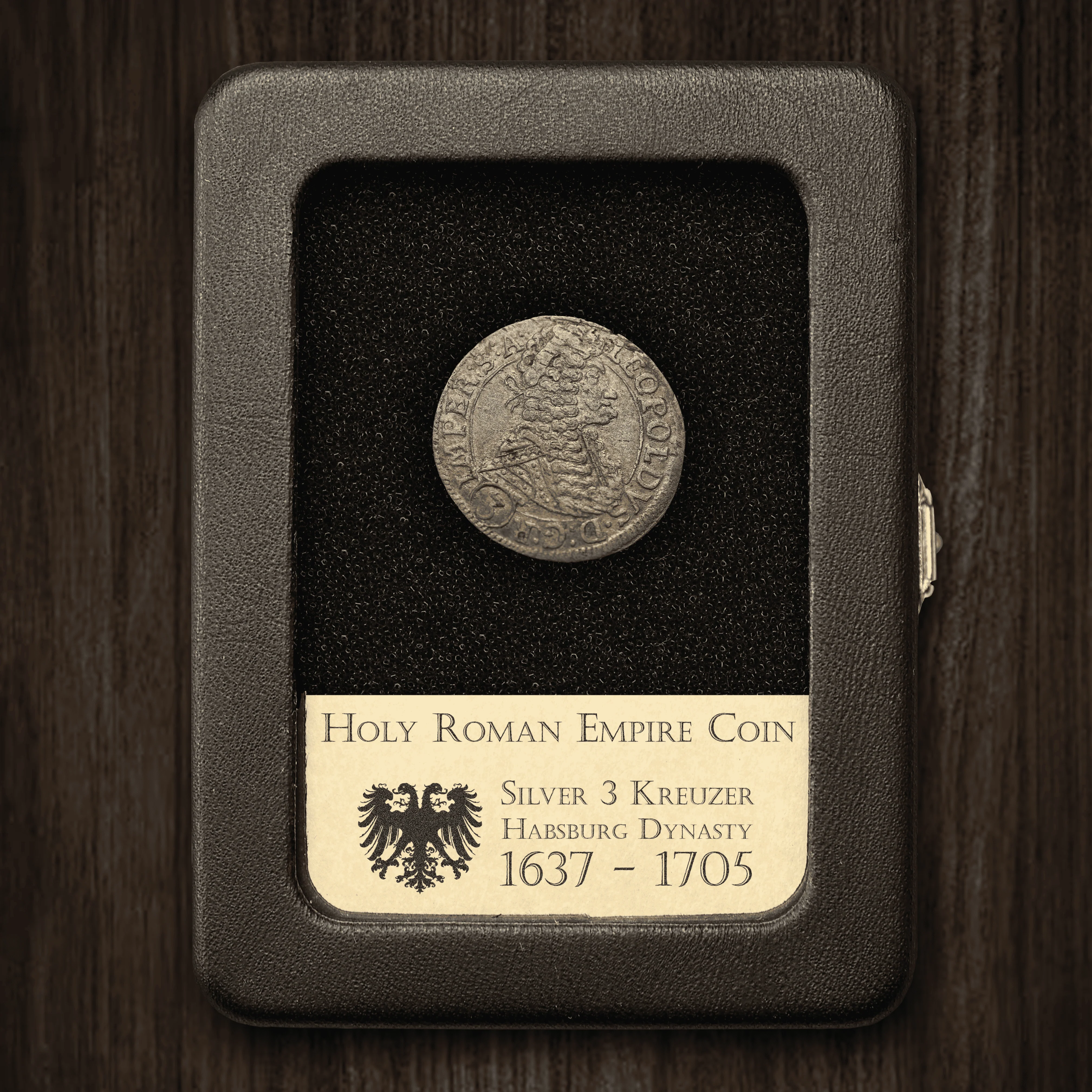
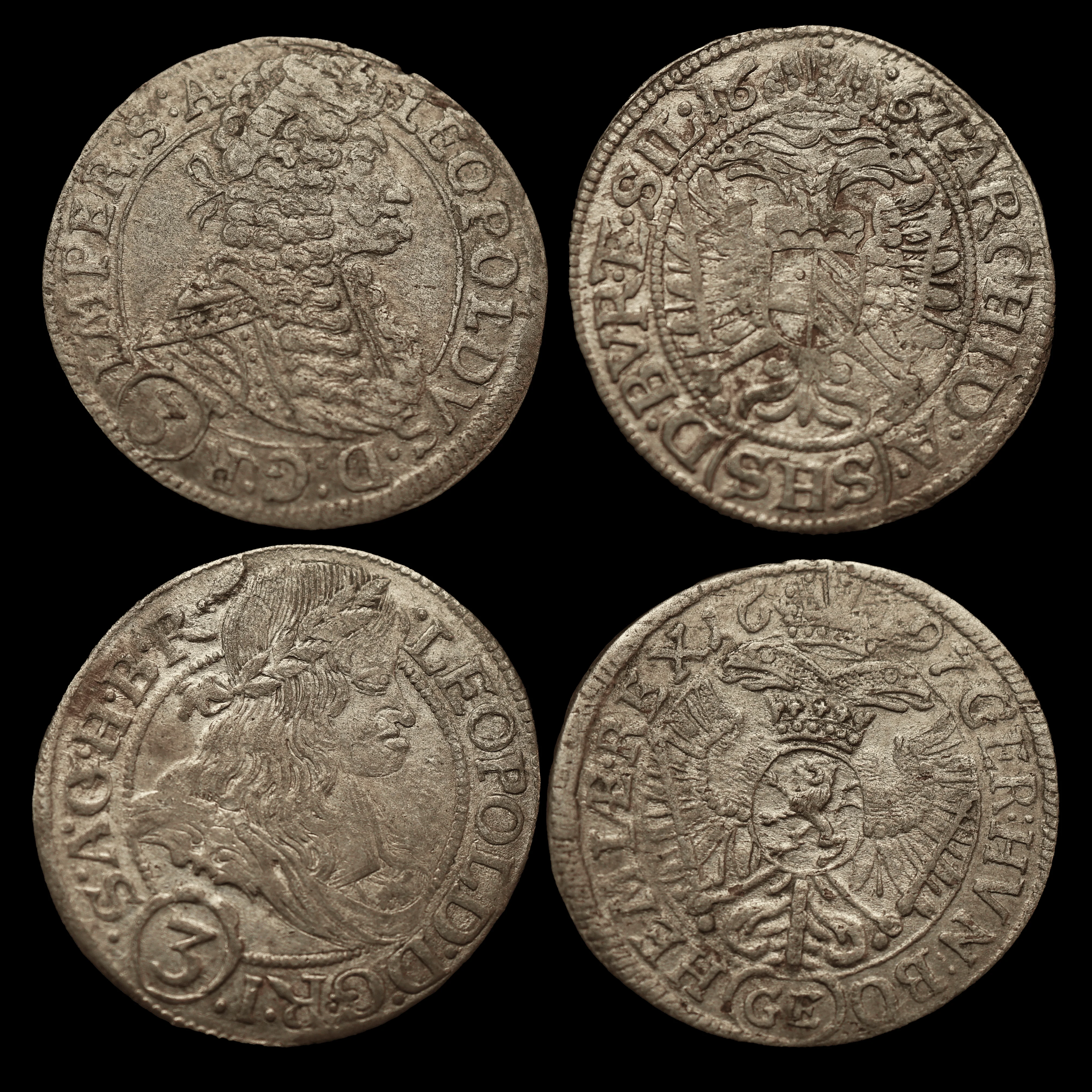
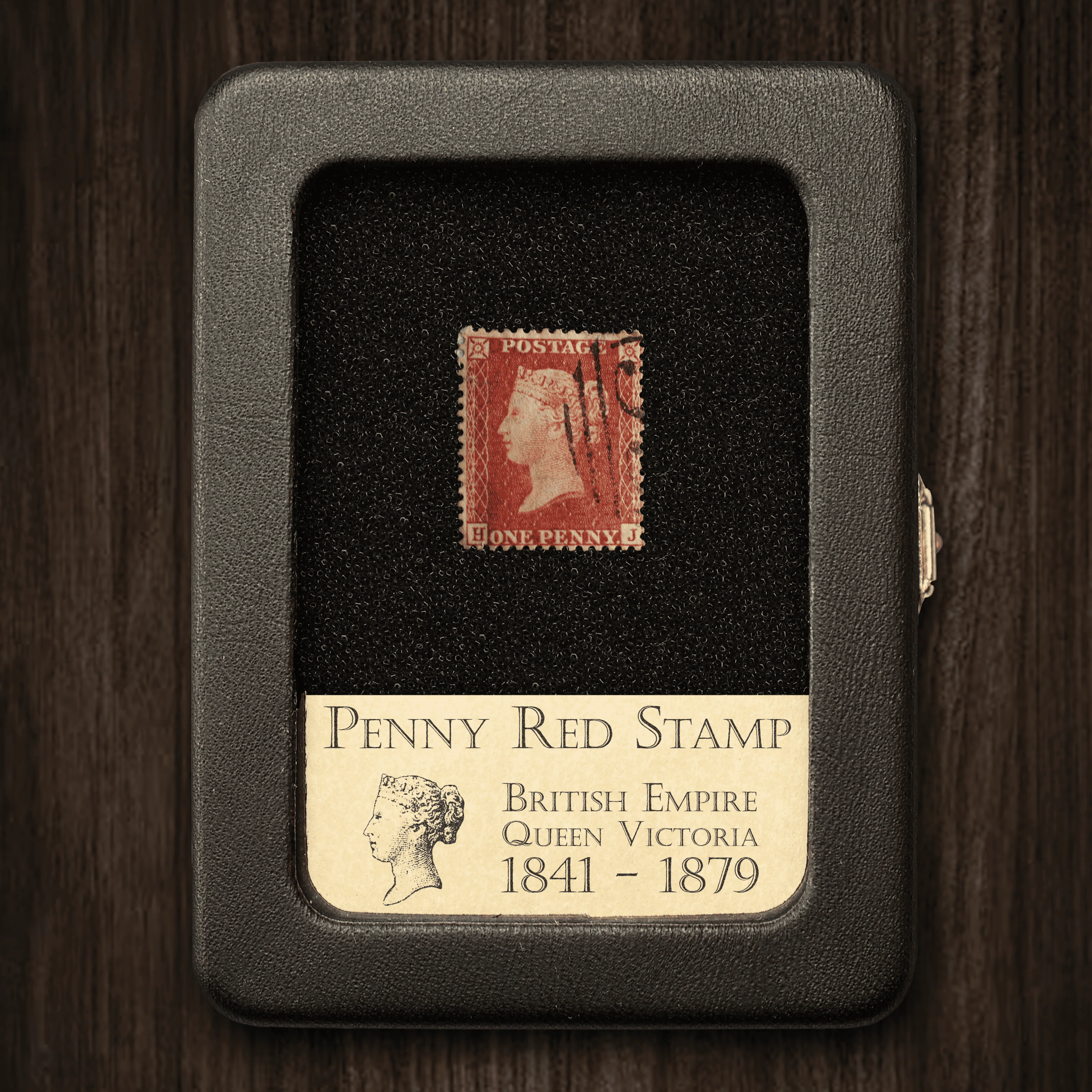
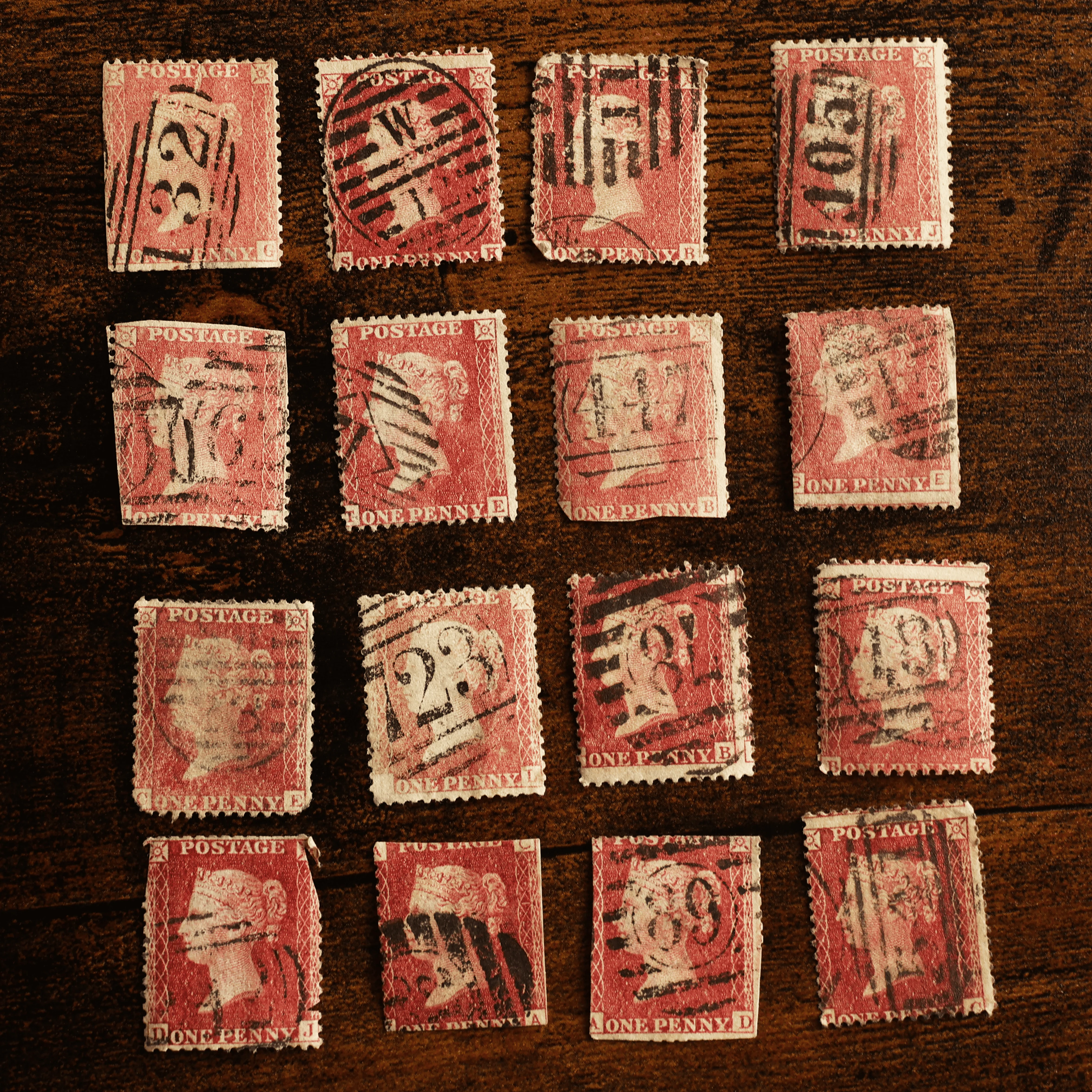
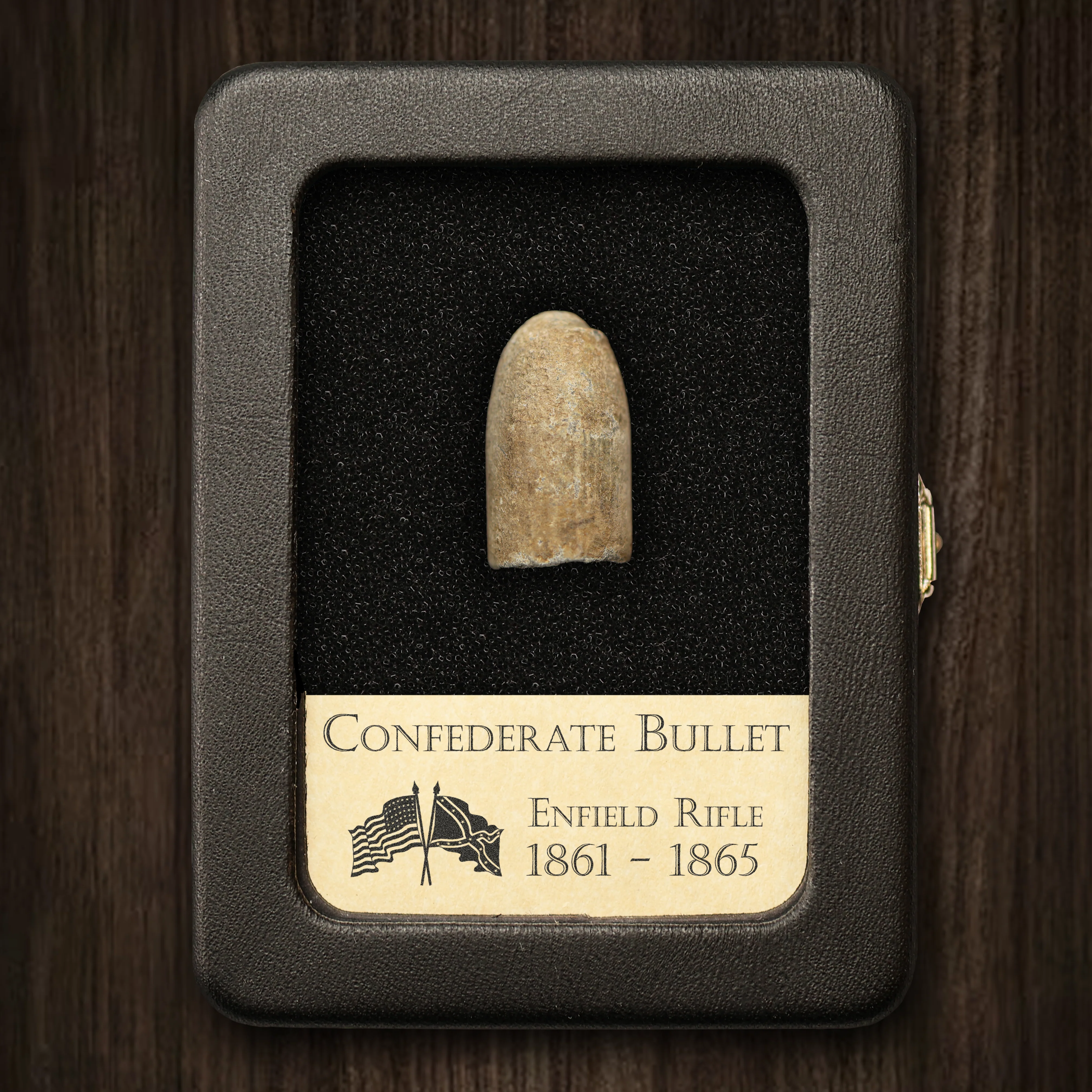
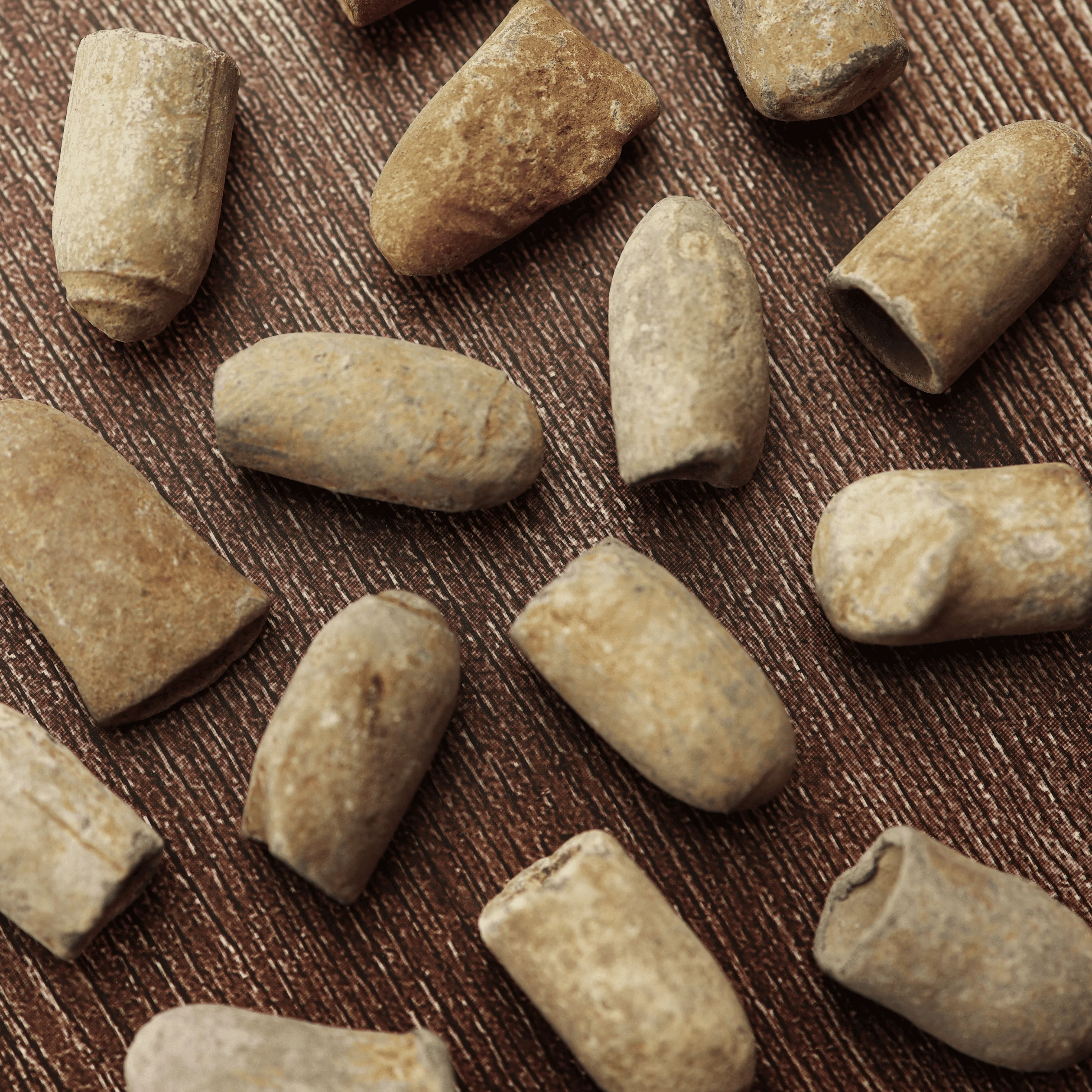
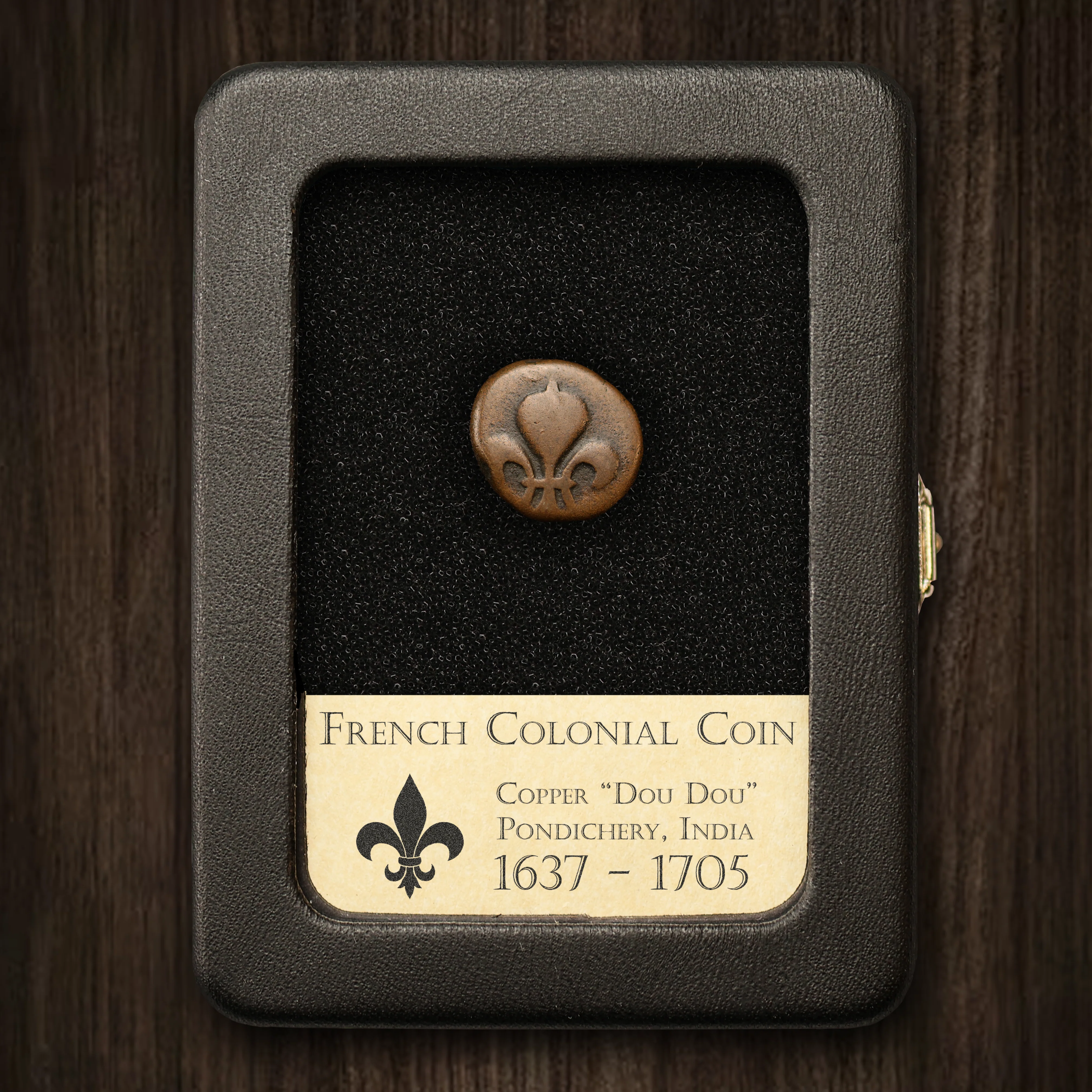
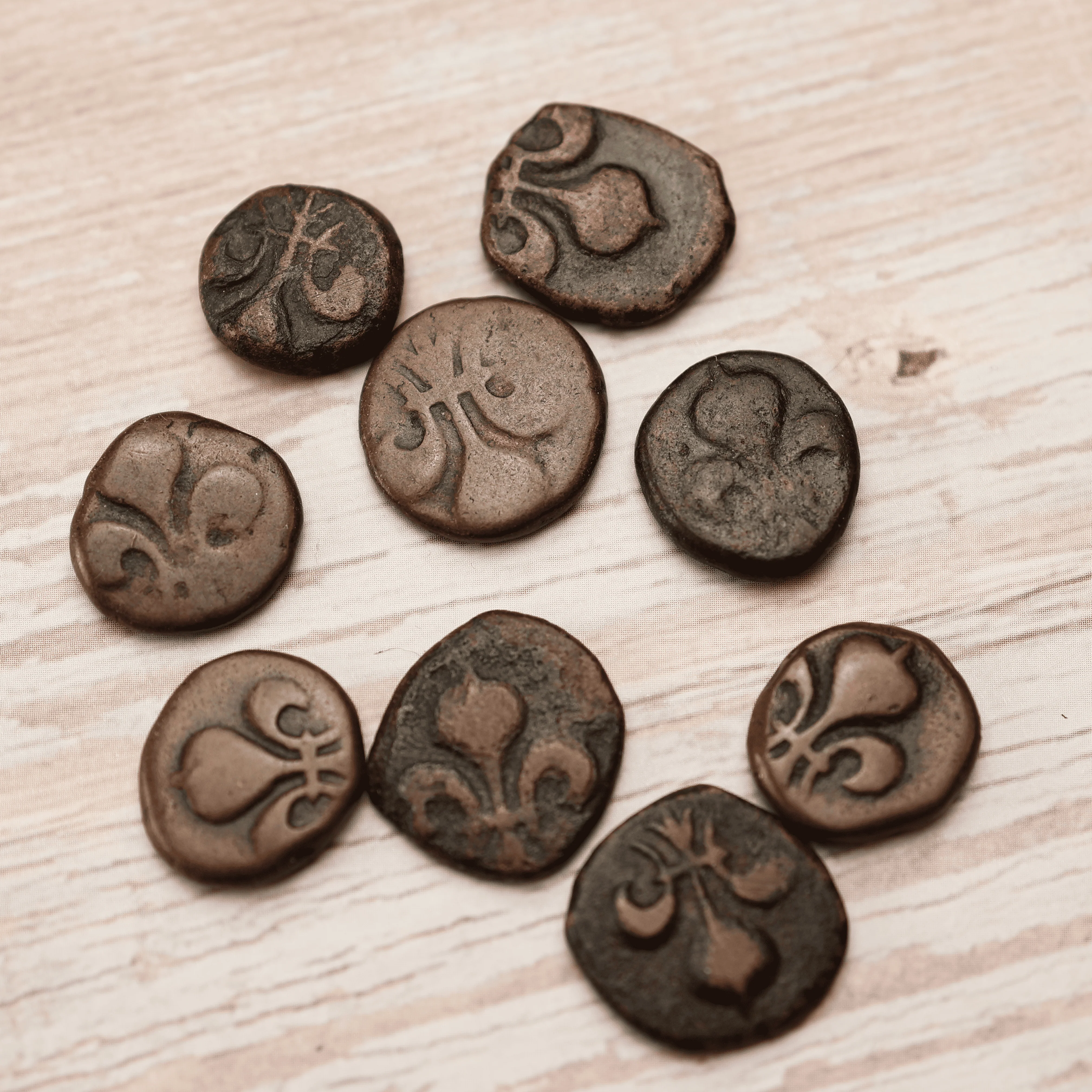
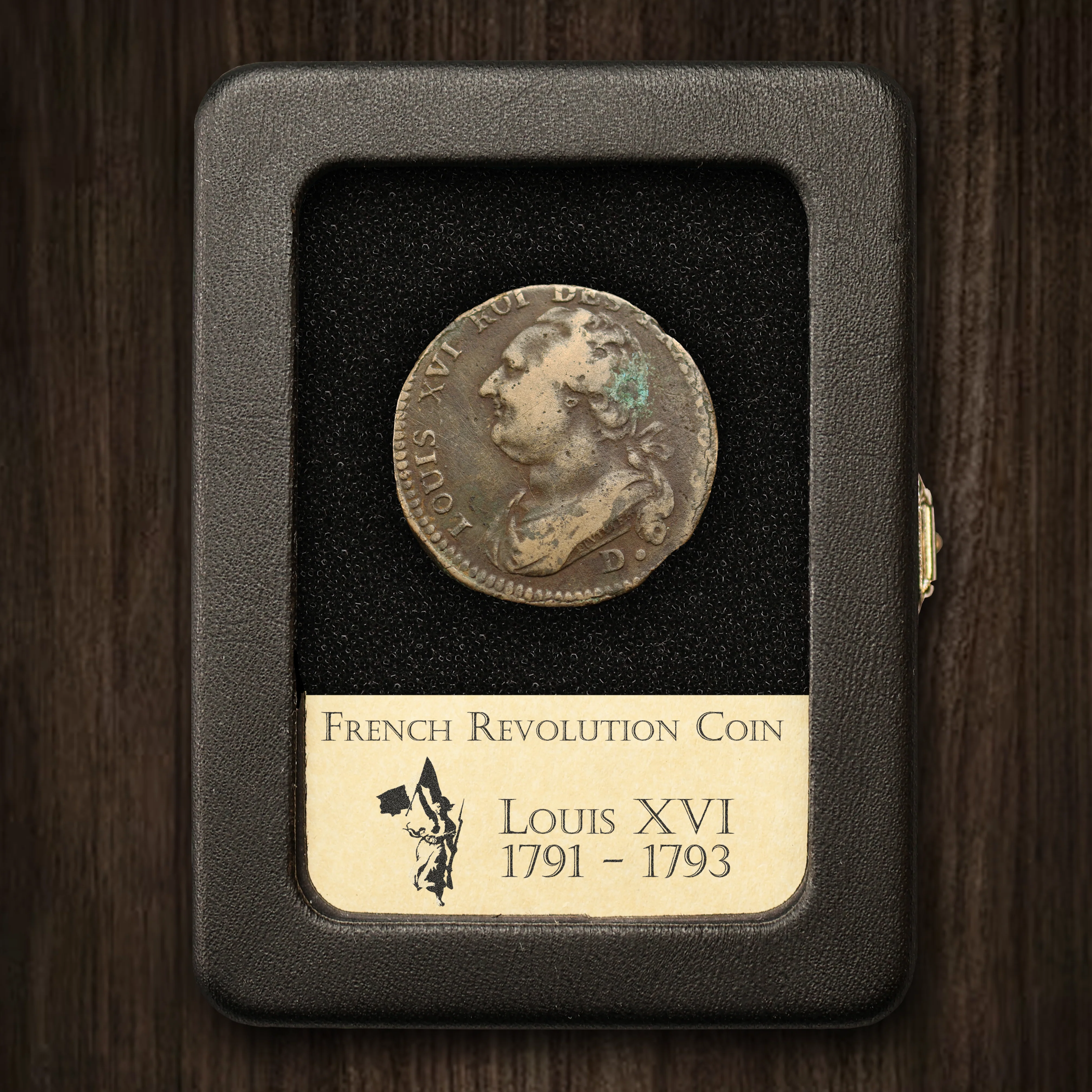
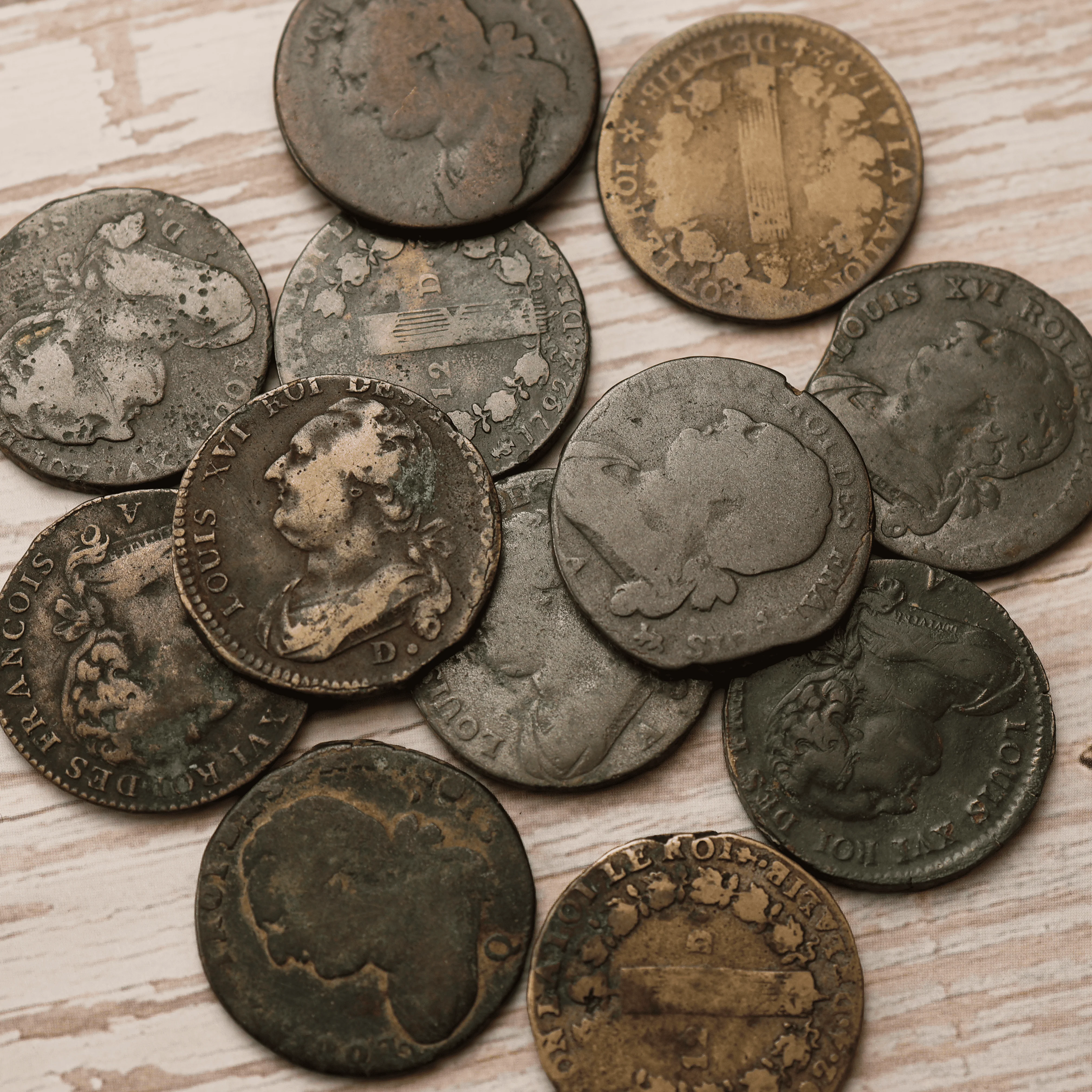
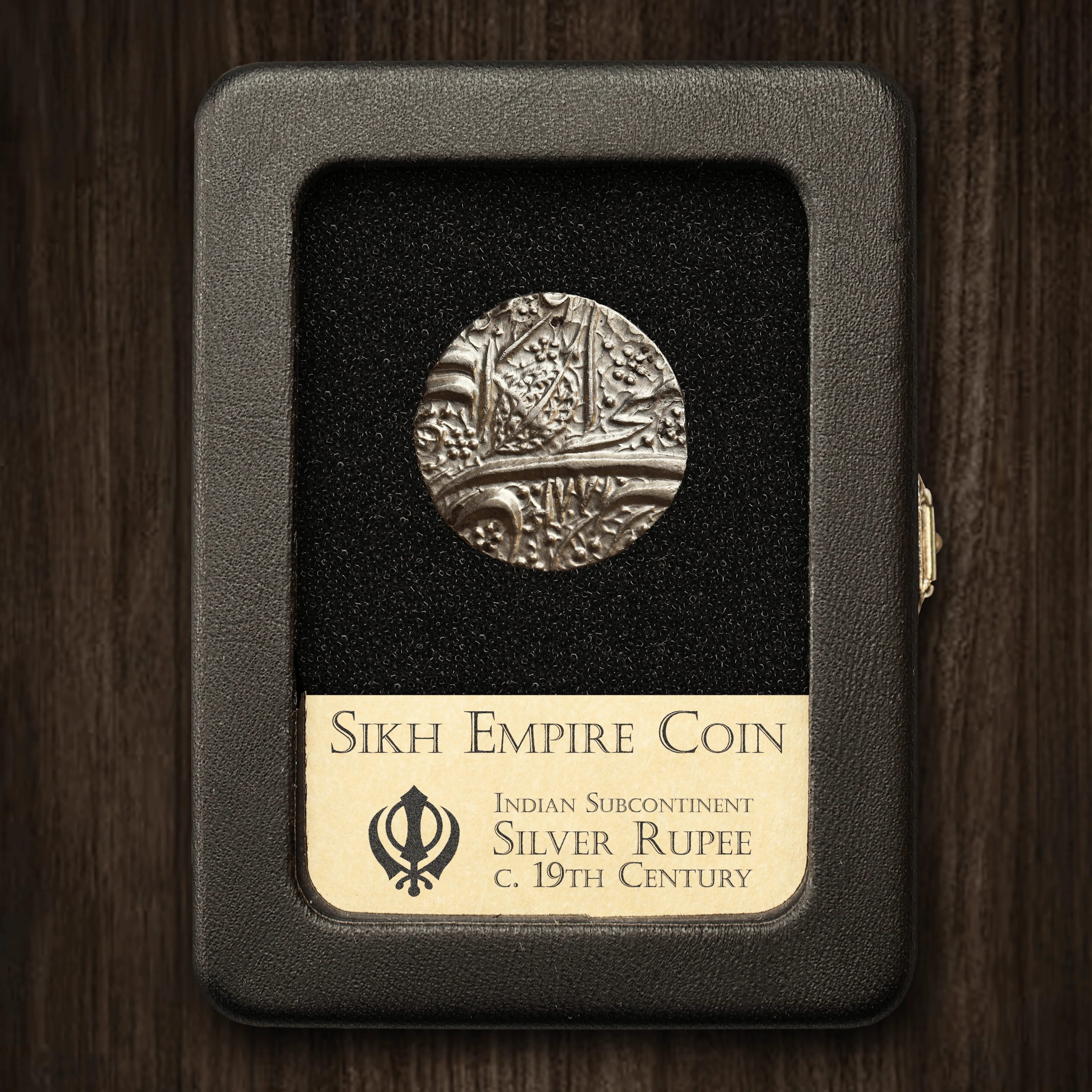
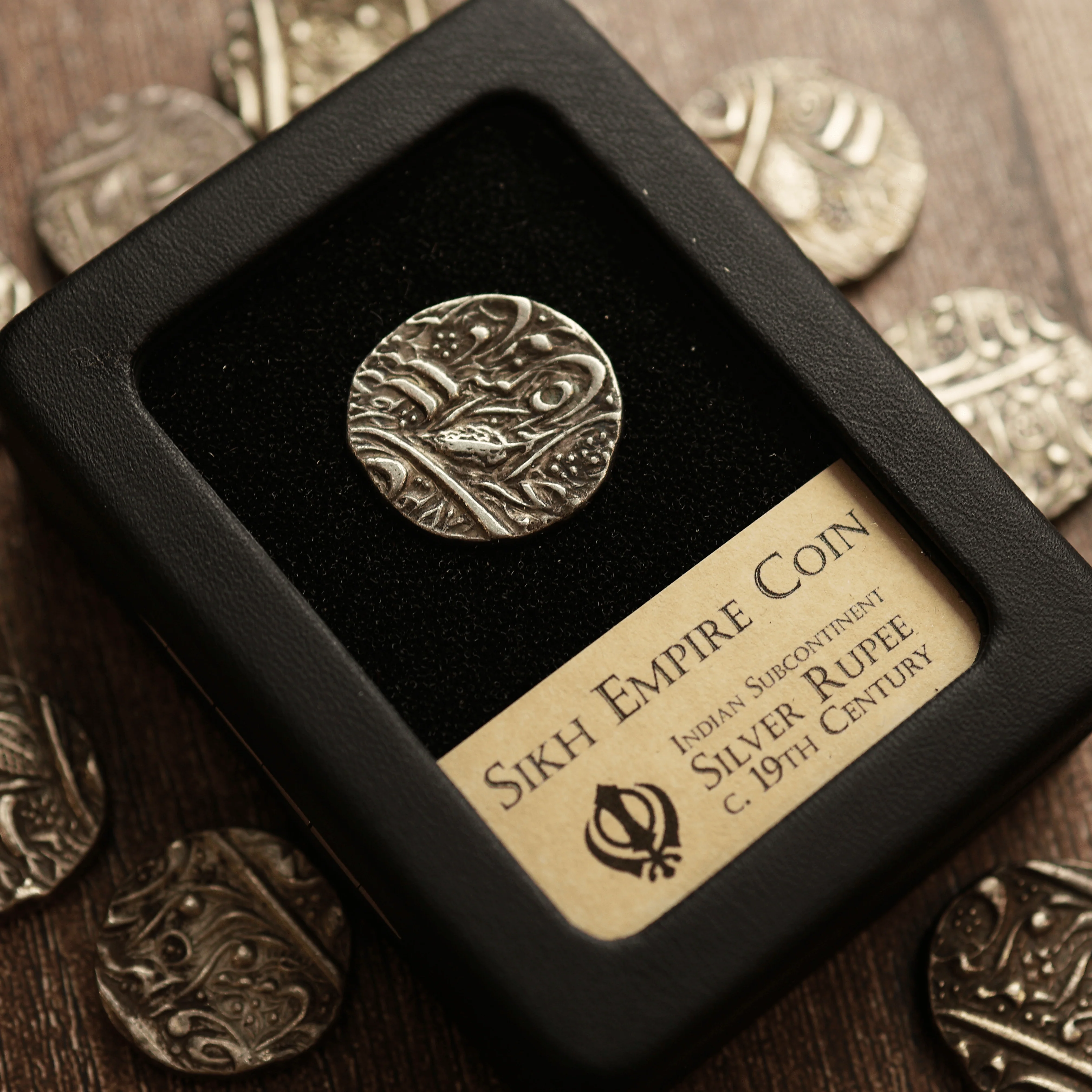
The coin you will receive will be of very similar size and quality as the ones shown in the pictures. The display case included is openable so that you may easily handle and closely observe the artifact.
Your order will include:
- One authentic Sikh empire silver Rupee
- Elegant protective case for preservation and display of your artifact
- Certificate of Authenticity
Ancient Artifacts relics are guaranteed authentic and have a 100% money back policy. Read more about our Mission and Promise for authenticity.
Details & Craftsmanship
Every detail has been carefully considered to bring you the perfect product.

Details & Craftsmanship
Every detail has been carefully considered to bring you the perfect product.

Details & Craftsmanship
Every detail has been carefully considered to bring you the perfect product.
Details & Craftsmanship
Every detail has been carefully considered to bring you the perfect product.
Description
History of the Artifact
These Sikh silver rupees date back to the early 19th century and serve as a powerful reminder of the influence and wealth of the Sikh Empire under Maharaja Ranjit Singh and his successors. These coins were primarily struck in the mints of Amritsar, Lahore, and Multan, among others, and were known for their distinctive Persian inscriptions, reflecting the cultural and administrative continuity of the region. Unlike the earlier Mughal rupees, which often featured the names of emperors, Sikh rupees typically bore inscriptions in the name of Guru Nanak and Guru Gobind Singh, symbolizing the theocratic nature of the empire and the reverence for Sikh religious figures.
The standard weight of these rupees was around 11.2 grams of silver, closely following the weight and fineness of Mughal and earlier Indian rupees. The designs varied slightly depending on the mint, but most feature floral and calligraphic elements rather than the portraits that were common in European coinage of the time. The script was Persian, with phrases invoking divine blessings and references to Sikh Gurus, rather than any direct mention of Ranjit Singh (The Maharajah) himself. This was in keeping with the Sikh tradition of humility and the avoidance of personal glorification in governance.
The Sikh Empire's monetary system was robust, and its rupees were widely accepted across northern India, even in areas beyond direct Sikh control. The Amritsar mint, in particular, was famous for its high-quality silver coinage, and some of its issues continued to circulate well after the fall of the empire. Following the British annexation of the Punjab in 1849, the British East India Company gradually replaced Sikh coinage with its own issues, though older rupees continued to be used in trade for some time.
How do I know these are original Sikh Empire Coins?
Ancient Artifacts guarantees the Authenticity of items sold through a three layer system of protection:
- Ancient Artifacts exclusively sources artifacts from trusted and reputable antique distributors, many of whom have been selling Artifacts for decades.
- Next, the Artifact is inspected by an expert team member, who is professionally trained in counterfeit detection After the artifact passes inspection, the Certificate of Authenticity is signed and the Artifact is packaged.
- Finally, Ancient Artifacts gives an additional layer of protection by promising a full refund with no questions asked, in the extremely unlikely event that a counterfeit slips through our vetting process.
What will my artifact look like?
The coin you will receive will be of very similar size and quality as the ones shown in the pictures. The display case included is openable so that you may easily handle and closely observe the artifact.
Your order will include:
- One authentic Sikh empire silver Rupee
- Elegant protective case for preservation and display of your artifact
- Certificate of Authenticity
Ancient Artifacts relics are guaranteed authentic and have a 100% money back policy. Read more about our Mission and Promise for authenticity.